
Vitapria — Nutrient Reference
Essential Vitamins and Minerals for Men
Understanding the building blocks of nutrition is the first step toward achieving optimal vitality. This guide is an educational resource on the specific vitamins and minerals for men that play a key role in maintaining physical and mental vigor — helping you build a supplement routine that targets the unique requirements of the male body.
Nutrients Covered
08
Core vitamins & minerals
Format
Guide
Editorial reference
Focus
Daily
Wellness & vitality
Region
ID
Indonesia context
A Reader's Orientation
Why a nutrient guide, and not a product list
Most men who explore natural supplements for men share a common frustration: an overwhelming wall of product names with very little explanation of what each ingredient actually does inside the body. This guide reverses that order. We start with the nutrient — what it is, how it functions, and where it fits in a daily routine — before any conversation about which product to choose.
Each chapter below covers one vitamin or mineral that contributes to overall male well-being. You will find practical notes on why the nutrient matters, how it interacts with the rest of your routine, and what to consider if you live in a fast-paced Indonesian city where indoor work, heat, and irregular meals all shape your nutritional baseline.
This is not a catalog of popular products for men. It is a reference you can return to — one that helps you read labels with confidence and ask better questions when comparing men's vitamin formulas.
The Importance of Zinc
Zinc is perhaps the most vital mineral for male wellness, participating in hundreds of enzymatic reactions within the body. It is essential for immune function and protein synthesis, making it a cornerstone of any men's vitamin formulas. A consistent intake of zinc helps maintain natural energy levels and supports the body's repair processes.
For men in Indonesia, where heat and humidity can increase mineral loss through perspiration, paying attention to zinc intake becomes especially relevant. Common dietary sources include shellfish, red meat, pumpkin seeds, and chickpeas — though a well-formulated supplement can help close gaps when diet alone falls short.
B-Vitamins and Energy Metabolism
The B-vitamin complex, including B6 and B12, is responsible for converting the food you eat into usable cellular energy. For those utilizing energy and endurance formulas, these vitamins are indispensable for preventing midday slumps. They also support nervous system health, which is crucial for managing the stresses of daily life.
B-vitamins are water-soluble, meaning the body does not store them in significant reserves. This makes regular daily intake more important than occasional high doses. Whole grains, eggs, poultry, and leafy greens are solid dietary foundations — and a consistent supplement can help maintain steady levels across demanding workweeks.


Magnesium for Muscle Relaxation
Magnesium plays a critical role in muscle function and nerve signaling. Men who lead active lifestyles often require higher levels of magnesium to help muscles relax after exertion and to support better sleep quality. Including this mineral in your routine can help reduce the frequency of muscle cramps and improve overall physical comfort.
Beyond muscle recovery, magnesium participates in over three hundred biochemical reactions — from blood pressure regulation to the synthesis of structural proteins. Dark chocolate, almonds, spinach, and black beans are reliable food sources; supplementation can help when training loads or stress increase daily demand.
Vitamin D for Bone and Immune Support
Often called the "sunshine vitamin," Vitamin D is essential even in sunny Indonesia, as indoor work environments can lead to deficiencies. It is vital for calcium absorption and supports a robust immune system. Maintaining adequate vitamin D levels is a simple yet effective way to support long-term structural health.
Office workers, night-shift professionals, and anyone who spends most daylight hours indoors are particularly prone to falling short. Fatty fish, egg yolks, and fortified foods contribute modestly; a daily supplement is often the most reliable way to reach consistent levels, especially during the rainy season.


Vitamin C and Antioxidant Defense
Physical activity and environmental pollutants create oxidative stress in the body. Vitamin C acts as a powerful antioxidant, protecting cells from damage and supporting the production of collagen. It is a fundamental component of natural supplements for men aimed at maintaining skin health and overall resilience.
Urban environments in Jakarta and other major Indonesian cities carry a constant background of airborne pollutants that challenge the body's antioxidant reserves. Guava, papaya, oranges, and red bell peppers are abundant local sources — practical, affordable, and easy to combine with a supplement for consistent daily intake.
Selenium for Cellular Health
Selenium is a trace mineral that provides significant benefits for cellular protection and metabolic health. While only needed in small amounts, its role in supporting the body's natural defense mechanisms makes it a valuable addition to any wellness regimen. It works synergistically with other vitamins to promote long-term vitality.
Brazil nuts, fish, and eggs are among the richest food sources, though soil selenium levels vary considerably across regions — meaning dietary intake alone may not be consistent. A measured supplement ensures you receive the right amount without overshooting, since selenium follows a narrow optimal range.

Iron and Oxygen Transport
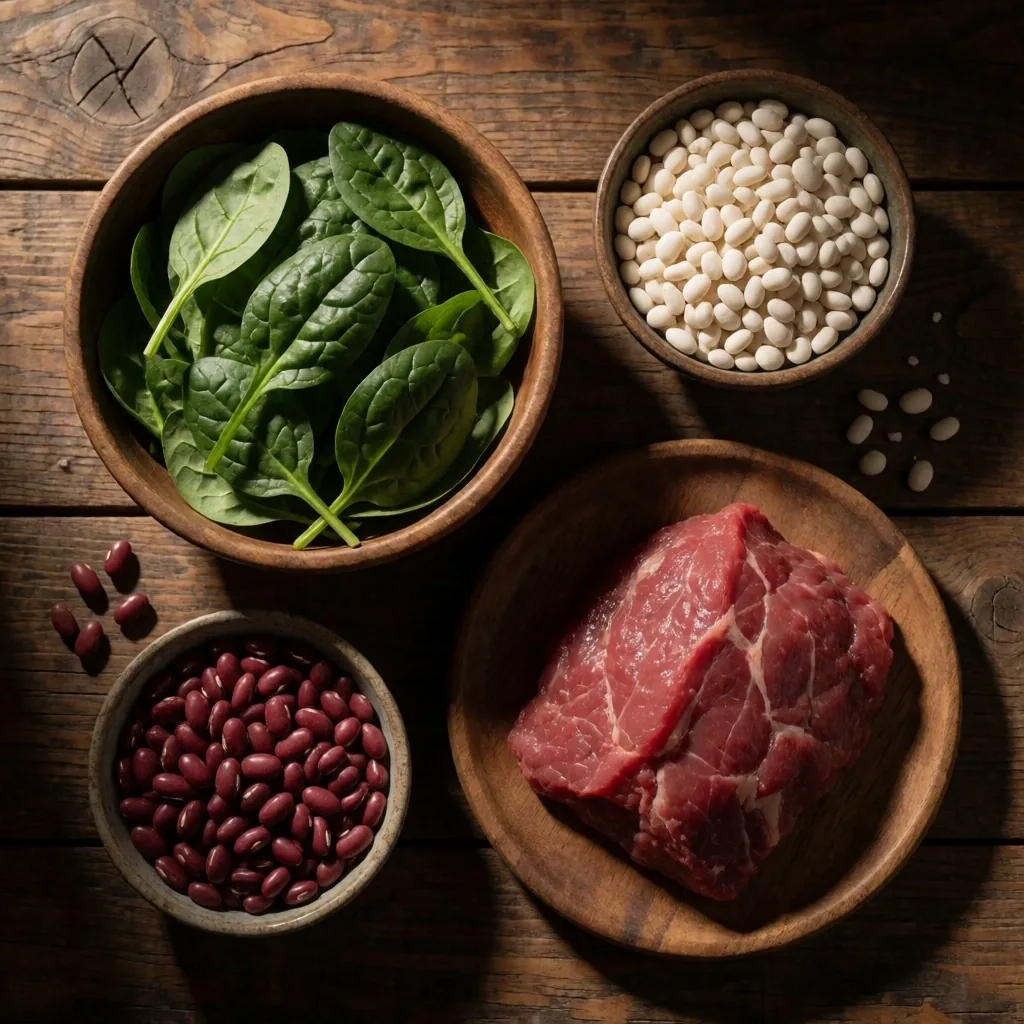
Iron is necessary for the production of hemoglobin, which carries oxygen to your muscles and brain. While men typically require less iron than women, ensuring adequate levels is important for maintaining high physical output. We discuss how to balance iron intake through both diet and healthy lifestyle products.
For most men, a diet rich in lean red meat, lentils, tofu, and dark leafy greens provides sufficient iron without the need for high-dose supplementation. Iron is one nutrient where more is not better — excess intake can cause digestive discomfort. If you suspect a shortfall, pair iron-rich foods with vitamin C sources to improve absorption.
Amino Acids and Protein Synthesis
While not vitamins or minerals, certain amino acids are often included in men's vitamin formulas to support muscle maintenance. L-Arginine and L-Glutamine are examples of compounds that assist the body in recovering from physical stress. Understanding how these nutrients work alongside vitamins provides a more complete picture of male nutrition.
Amino acids complement the mineral and vitamin framework rather than replacing it. They are particularly relevant for men who train regularly or whose work demands sustained physical effort. A well-structured formula that pairs amino acids with B-vitamins, magnesium, and zinc can address energy, recovery, and resilience as a connected system rather than isolated inputs.

Quick Reference
Nutrient comparison at a glance
| Nutrient | Primary Role | Food Sources | Relevant For |
|---|---|---|---|
| Zinc | Immune function, protein synthesis | Shellfish, pumpkin seeds, chickpeas | Active men, humid climates |
| B-Vitamins (B6, B12) | Energy metabolism, nervous system | Whole grains, eggs, poultry | Demanding work schedules |
| Magnesium | Muscle relaxation, nerve signaling | Dark chocolate, almonds, spinach | Post-exercise recovery |
| Vitamin D | Calcium absorption, immune support | Fatty fish, egg yolks | Indoor workers |
| Vitamin C | Antioxidant defense, collagen | Guava, papaya, bell peppers | Urban environments |
| Selenium | Cellular protection, metabolic health | Brazil nuts, fish, eggs | Long-term vitality |
| Iron | Oxygen transport to muscles and brain | Red meat, lentils, tofu | Physical output (diet first) |
| Amino Acids | Muscle maintenance, recovery | Protein-rich foods, formulas | Regular training |
Use this matrix as a starting point. Individual needs vary based on diet, activity level, and environment. For specific guidance, consult a qualified practitioner.
Practical Guidance
Building a nutrient routine
Begin with the nutrients most likely to be insufficient in a typical Indonesian diet: vitamin D for indoor workers, magnesium if you train regularly, and a B-complex for sustained energy. Read the chapters above, then browse our natural capsules for strength and vitality to find formulas that combine several of these nutrients in a single serving.
Many of these vitamins and minerals are available through a varied diet. However, factors like indoor work, pollution, heat, and inconsistent meal patterns can create gaps. Supplements are intended to complement — not replace — a nutrient-rich diet. Consider your daily routine honestly before deciding what to add.
Look for the nutrient name, its form (for example, magnesium glycinate versus magnesium oxide), and the amount per serving. Compare these against the roles described in each chapter above. A well-formulated men's vitamin formula will show clear dosing and list each active ingredient without vague proprietary blends.
Not necessarily. Some nutrients, like B-vitamins, are best taken in the morning for energy support. Magnesium is often more useful in the evening for relaxation. Vitamin C can be split across the day. Follow the guidance on each product label and adjust based on how your body responds.
This guide covers the core vitamins and minerals relevant to most men. For more questions about energy and endurance formulas, healthy lifestyle products, or how to select popular products for men, visit our expert advice page or reach out to us directly — we are happy to help.
Contact our teamAn Educational Resource
How to use this guide
This guide is designed as an educational reference on vitamins and minerals for men. It explains what each nutrient does, where to find it in food, and how it fits into a broader supplement routine. It is not a substitute for personalized advice from a qualified practitioner.
Vitapria's natural supplements for men are intended as dietary supplements to support a balanced lifestyle. They are not intended to diagnose, treat, cure, or prevent any condition. If you have specific health concerns, are managing an ongoing issue, or take other supplements, consult a qualified professional before starting anything new.
For questions about product selection, quality standards, or where to begin, our team is available during working hours and ready to help you find the right starting point.
Jl. Asia Afrika No. 8
Gelora, Tanah Abang
Jakarta Pusat, 10270